New Energy Flexible Copper Busbar Applications: Where Can It Be Used?
New energy flexible copper busbar is becoming an increasingly important electrical connection solution in modern power systems.
As renewable energy, electric vehicles, energy storage, and high-efficiency electrical equipment continue to expand, the need for
reliable, conductive, vibration-resistant, and space-saving current transfer components has grown rapidly. Flexible copper busbar
provides a practical answer to these demands.
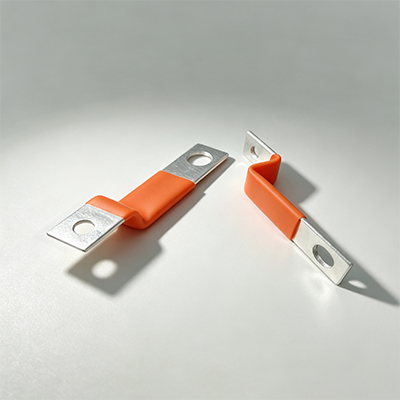
In simple terms, a flexible copper busbar is a laminated or braided copper conductor designed to carry high current while allowing
movement, vibration absorption, thermal expansion compensation, and compact installation. Compared with rigid copper busbars, flexible
copper busbars offer greater adaptability in applications where installation space is limited or where electrical equipment is subject
to mechanical stress, heat cycling, or frequent movement.
This article explains what new energy flexible copper busbar is, its key advantages, common specifications, and most importantly,
where it can be used. The content is written in a search-engine-friendly structure with clear headings, keyword-rich
descriptions, and practical tables for blog pages, industry pages, catalog pages, and product education pages.
What Is New Energy Flexible Copper Busbar?
New energy flexible copper busbar is a conductive connection component made from high-purity copper materials, often processed into
braided, laminated, or multi-layer flexible structures. It is widely used in new energy systems because it can carry large currents
while reducing stress caused by vibration, displacement, temperature changes, or installation misalignment.
In the new energy industry, electrical systems must handle DC power, inverter output, battery connection, charging current, and
continuous thermal variation. A flexible copper busbar helps maintain stable electrical conductivity and mechanical reliability in
these demanding environments.
Flexible copper busbar is commonly used as a replacement for cables, rigid copper strips, or hard connection terminals where
electrical flexibility and durability are required. It can also be engineered with insulation, tin plating, silver plating, holes,
terminals, or custom mounting interfaces depending on the application.
Item |
Definition |
|---|
Flexible copper busbar |
A conductive copper connector designed to carry high current with flexibility and vibration resistance. |
New energy application |
Use in renewable energy, EV, battery storage, power conversion, charging, and related electrical systems. |
Main purpose |
To transmit current safely while absorbing movement, reducing stress, and improving installation adaptability. |
Common structures |
Braided copper strip, laminated copper foil, woven copper wire, or custom flexible conductor assemblies. |
Why Flexible Copper Busbar Is Important in New Energy Systems
New energy systems are not static. Solar inverters expand and contract with temperature changes. Battery modules experience thermal
cycling. Electric vehicles are exposed to vibration, shock, and frequent movement. Charging stations require reliable high-current
connections in compact spaces. These conditions make flexible copper busbar a highly valuable electrical component.
Compared with rigid conductors, a flexible copper busbar can reduce mechanical fatigue and improve electrical stability. It also helps
simplify assembly and reduce the risk of poor contact caused by misalignment or structural movement. Because of these advantages,
flexible copper busbar is used in many high-power new energy applications where safety, durability, and space efficiency are critical.
Reason |
Benefit in New Energy Systems |
|---|
High current demand |
Supports efficient power transmission with low resistance. |
Vibration and shock |
Absorbs movement and helps protect electrical connections. |
Thermal expansion |
Compensates for temperature-related dimensional changes. |
Compact design |
Allows tight installation in limited spaces. |
Long service life |
Improves mechanical reliability and reduces maintenance frequency. |
Key Advantages of New Energy Flexible Copper Busbar
1. Excellent Electrical Conductivity
Copper is one of the best conductive materials used in power transmission. Flexible copper busbar delivers low electrical resistance,
helping reduce power loss and heat generation in high-current systems. This is especially important in new energy equipment, where
stable energy transfer directly affects efficiency and performance.
2. Strong Flexibility and Mechanical Adaptability
The flexible structure allows the busbar to bend, twist, or absorb movement within a controlled range. This makes it suitable for
systems that experience vibration, installation tolerance differences, or thermal displacement.
3. Vibration Resistance
New energy equipment often operates in environments with continuous vibration, especially electric vehicles, charging systems, and
wind energy equipment. Flexible copper busbar helps maintain stable contact and reduces the chance of loosening or connection failure.
4. Space Saving Design
Flexible copper busbar can replace bulky cable loops or rigid connector arrangements, helping engineers create more compact layouts.
This is particularly useful in battery packs, inverter cabinets, control boxes, and power distribution modules.
5. Thermal Expansion Compensation
Equipment exposed to temperature changes often expands and contracts. Flexible copper busbar can absorb these changes without causing
excessive stress on terminals, bolts, or adjacent components.
6. Easy Installation
Flexible copper busbar simplifies assembly because it can fit into tight or awkward spaces more easily than rigid materials. It can
also reduce installation errors caused by slight dimensional differences.
7. Customizable Structure
Depending on application requirements, flexible copper busbar can be produced with different thicknesses, widths, lengths, insulating
layers, plated surfaces, hole patterns, and connector forms. This makes it suitable for a wide range of new energy systems.
Where Can New Energy Flexible Copper Busbar Be Used?
The application range of new energy flexible copper busbar is broad. It is used anywhere high current, reliability, flexibility, and
compact design are required. Below are the major industry applications where flexible copper busbar is commonly found.
1. Electric Vehicle Battery Systems
One of the most important uses of flexible copper busbar is in electric vehicle battery systems. EV battery packs require precise,
reliable, and high-current interconnections between cells, modules, and pack assemblies. Flexible copper busbar is ideal because it
can accommodate vehicle vibration, thermal movement, and tight internal layouts.
It is commonly used in battery modules, pack-to-pack connections, cell interconnects, and high-voltage distribution interfaces. In EV
environments, the busbar must handle continuous current flow while remaining mechanically stable under driving conditions.
2. Battery Energy Storage Systems (BESS)
Battery energy storage systems are a major growth area in the new energy sector. These systems require robust copper connections for
energy transfer between battery racks, inverter interfaces, combiner points, and distribution terminals. Flexible copper busbar helps
reduce stress caused by heat cycling and equipment expansion.
In containerized storage systems and cabinet-based storage arrays, space efficiency is crucial. Flexible copper busbar helps simplify
routing, reduce clutter, and improve serviceability.
3. Solar Power Inverters and Photovoltaic Systems
Solar power systems rely on efficient DC and AC conversion. Flexible copper busbar is often used in solar inverters, combiner boxes,
DC distribution modules, and photovoltaic control equipment. The busbar supports current transfer while helping maintain safe and
stable connections inside inverter cabinets.
Because solar equipment is frequently installed outdoors or in semi-outdoor environments, thermal expansion and environmental
fluctuations are important considerations. Flexible copper busbar helps reduce mechanical stress caused by these changes.
4. Wind Power Systems
Wind turbines and wind power control systems require electrical connections that can withstand vibration, movement, and changing
operating conditions. Flexible copper busbar can be used in turbine control cabinets, power conversion units, pitch systems, and
auxiliary power distribution components.
The ability to absorb movement makes flexible copper busbar valuable in wind energy applications where long-term reliability is
essential.
5. Charging Stations and Charging Piles
EV charging stations and charging piles require high-current connections within limited enclosures. Flexible copper busbar is used to
connect rectifiers, power modules, distribution terminals, and output circuits. It offers a compact and dependable solution for
transmitting power safely in high-load charging environments.
Since charging stations may experience repeated thermal loads and operational cycles, flexible copper busbar helps maintain connection
quality and reduce fatigue over time.
6. Power Conversion Systems
Power conversion systems in renewable energy installations often depend on copper busbars to move electrical energy efficiently between
DC and AC stages. Flexible copper busbar helps in inverter cabinets, rectifier assemblies, converter modules, and AC/DC power
interfaces.
In these systems, efficient current transfer and compact routing are essential for performance, safety, and enclosure design.
7. New Energy Control Cabinets
Control cabinets used in energy storage, solar systems, and industrial new energy equipment often include multiple electrical
components that must be connected in a limited internal space. Flexible copper busbar is a practical choice for cabinet wiring,
grounding connections, power input/output paths, and distribution points.
Its adaptability helps designers maintain neat layouts while improving electrical reliability.
8. High-Voltage Distribution Systems
High-voltage distribution systems in new energy infrastructure require stable and efficient conductor solutions. Flexible copper busbar
can be used in bus connections, terminal interconnects, switchgear interfaces, and power distribution assemblies where movement or
tolerance compensation is necessary.
9. Industrial New Energy Equipment
Many industrial systems now integrate renewable energy or energy storage technologies. Flexible copper busbar is used in industrial
inverters, converters, automation power units, and backup power systems where high current and reliability are required.
10. Marine and Mobile Energy Systems
Mobile energy platforms, marine electrical systems, and transportable power units also benefit from flexible copper busbar. These
systems are often exposed to motion, vibration, and space restrictions, making flexible connections highly suitable.
Application Summary Table
Application Area |
Main Function |
Why Flexible Copper Busbar Is Suitable |
|---|
Electric vehicle battery packs |
Cell and module current transfer |
Handles vibration, compact space, and thermal cycling |
Battery energy storage systems |
Rack and cabinet power connection |
Improves reliability and reduces mechanical stress |
Solar inverters |
DC/AC power transmission |
Supports high current in compact enclosures |
Wind power equipment |
Electrical interconnection |
Resists vibration and movement |
Charging stations |
Module-to-terminal current flow |
Space-saving and durable under repeated load cycles |
Power conversion systems |
Internal power routing |
Provides flexible, low-resistance current transfer |
Control cabinets |
Power distribution and grounding |
Fits complex layouts and improves installation efficiency |
Industrial new energy equipment |
High-current electrical connection |
Offers adaptability and long-term performance |
Marine/mobile systems |
Stable current connection |
Performs well in dynamic operating environments |
Common Structures of Flexible Copper Busbar
Flexible copper busbar is available in several forms. Each structure serves different electrical and mechanical requirements. Selecting
the right structure depends on current level, movement range, installation space, and environmental conditions.
Structure Type |
Features |
Typical Use |
|---|
Braided copper busbar |
Made from woven copper strands; highly flexible and vibration resistant |
EV systems, charging equipment, power cabinets |
Laminated copper busbar |
Multiple copper layers bonded for low inductance and stable current transfer |
Inverters, battery systems, power conversion units |
Woven copper strap |
Soft, bendable, and suitable for movement compensation |
Grounding, terminal links, dynamic connections |
Custom flexible assembly |
Can include holes, insulation, terminals, or formed ends |
Custom new energy equipment and OEM systems |
Typical Specifications of New Energy Flexible Copper Busbar
Flexible copper busbar specifications vary by application. The table below shows common industry reference values. Actual specifications
may be customized according to system design, current requirements, and installation environment.
Specification Item |
Common Range |
Notes |
|---|
Material |
High-purity copper, tinned copper, silver-plated copper |
Chosen based on conductivity and corrosion resistance requirements |
Width |
5 mm to 200 mm+ |
Depends on current rating and installation size |
Thickness |
0.5 mm to 10 mm+ |
Larger thickness generally supports higher current |
Length |
Customizable |
Designed to match equipment layout and movement allowance |
Surface treatment |
Tin plating, silver plating, nickel plating |
Improves oxidation resistance and connection performance |
Insulation |
Optional PVC, silicone, heat-shrink, or coated insulation |
Used when electrical isolation is needed |
Temperature resistance |
Depends on structure and insulation type |
Must match operating environment |
Current capacity |
From low to very high current levels |
Calculated according to cross-section, cooling, and installation conditions |
Mounting style |
Hole punching, crimping, welding, bolted ends |
Selected based on terminal type and assembly method |
Material and Surface Treatment Options
Material selection is important for flexible copper busbar performance. High-purity copper is preferred for its excellent conductivity.
Surface treatment can further improve durability, corrosion resistance, and contact reliability.
Option |
Main Benefit |
Common Application |
|---|
Bare copper |
High conductivity and simple structure |
Indoor and controlled environments |
Tinned copper |
Improved corrosion resistance and solderability |
Battery systems, charging equipment, cabinet connections |
Silver-plated copper |
Better surface conductivity and oxidation resistance |
High-performance and demanding electrical applications |
Nickel-plated copper |
Enhanced wear and heat resistance |
Special industrial and high-temperature environments |
How Flexible Copper Busbar Improves New Energy Equipment Performance
Flexible copper busbar contributes to better performance in new energy systems in several ways. First, it reduces electrical losses by
providing a low-resistance current path. Second, it minimizes mechanical stress on terminals, which can improve long-term connection
reliability. Third, it helps engineers build more compact and efficient equipment layouts.
In addition, flexible copper busbar can improve serviceability. Maintenance teams can access components more easily when connections are
organized neatly and designed to handle movement without damage. In many new energy applications, this can reduce downtime and extend
equipment life.
Design Considerations for New Energy Flexible Copper Busbar
When selecting flexible copper busbar for a new energy project, several design factors should be considered. Current load, thermal
environment, connection distance, vibration level, enclosure size, and regulatory requirements all influence the final design.
Design Factor |
Why It Matters |
|---|
Current rating |
Determines conductor size and heat generation risk |
Voltage level |
Affects insulation and spacing requirements |
Movement range |
Defines the flexibility needed for safe operation |
Temperature environment |
Influences material and coating selection |
Installation space |
Determines busbar shape, width, and mounting method |
Corrosion exposure |
Guides plating or protection choices |
Maintenance access |
Impacts connection design and long-term serviceability |
New Energy Flexible Copper Busbar vs. Traditional Rigid Busbar
Comparison Item |
Flexible Copper Busbar |
Rigid Copper Busbar |
|---|
Flexibility |
High |
Low |
Vibration resistance |
Strong |
Limited |
Installation adaptability |
Excellent |
Moderate |
Space efficiency |
Very good |
Depends on layout |
Thermal movement compensation |
Good |
Poor to moderate |
Best use case |
Dynamic, compact, or vibration-prone systems |
Fixed, stable, and simple power structures |
SEO Keyword Coverage: Common Search Phrases
For SEO purposes, it is useful to naturally include related search terms such as:
new energy flexible copper busbar, flexible copper busbar applications,
copper busbar for EV battery, flexible busbar for energy storage system,
flexible copper connector, high current copper busbar,
laminated copper busbar, braided copper busbar, and
copper busbar for solar inverter.
These keywords reflect real industry search intent and help the content rank for product education, application overview, and technical
buyer research queries. A well-structured page that explains definitions, applications, advantages, and specifications is more likely to
perform well in search results.
Frequently Asked Questions About New Energy Flexible Copper Busbar
What is the main purpose of flexible copper busbar?
The main purpose is to provide a reliable high-current electrical connection while allowing flexibility, vibration absorption, and
thermal expansion compensation.
Where is flexible copper busbar most commonly used?
It is most commonly used in electric vehicles, battery energy storage systems, solar inverters, charging stations, wind power
equipment, and control cabinets.
Is flexible copper busbar suitable for high-current applications?
Yes. Flexible copper busbar is widely used in high-current systems because copper has excellent conductivity and the flexible structure
helps maintain stable contact.
Can flexible copper busbar replace cables?
In many cases, yes. It can replace cables or rigid connectors where compactness, low resistance, and mechanical stability are needed.
Does flexible copper busbar need insulation?
Not always, but insulation is often recommended when there is a risk of short circuit, contact with adjacent metal parts, or exposure
to demanding operating conditions.
Conclusion
New energy flexible copper busbar is a vital component in modern electrical systems. Its combination of high conductivity, flexibility,
vibration resistance, and compact design makes it suitable for a wide range of applications across the new energy industry.
From electric vehicle battery packs and charging stations to solar inverters, battery storage systems, and wind energy equipment,
flexible copper busbar supports reliable current transmission in demanding environments.
As the new energy sector continues to expand, the demand for efficient and durable electrical connection solutions will continue to
increase. Flexible copper busbar offers a practical, versatile, and performance-oriented option for engineers, system designers, and
project developers seeking dependable power connections in next-generation energy infrastructure.


 +86 13169724781





 Phone
Phone
Comment
(0)