Copper Flexible Connection: What Are the Most Searched Uses?
Copper flexible connection is one of the most searched terms in electrical and industrial power distribution because it solves a very practical problem: how to carry current safely between components that may move, vibrate, expand, contract, or require easy installation. In modern systems, rigid conductors are often not enough. When alignment changes, when equipment vibrates, or when heat causes thermal expansion, a flexible copper connection helps maintain electrical continuity while reducing mechanical stress.
This guide explains the most searched uses of copper flexible connection products, along with definitions, advantages, typical specifications, selection factors, and application tables. The content is written for SEO use, with industry-generic information only, and is suitable for blogs, category pages, product directories, or industrial landing pages.
What Is a Copper Flexible Connection?
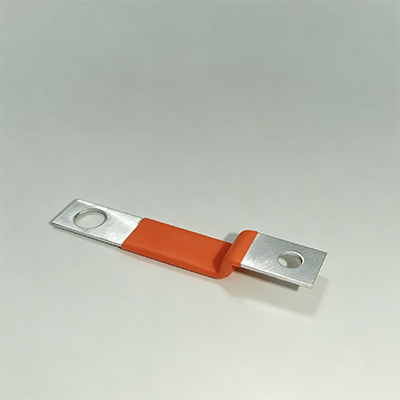
A copper flexible connection is an electrical connector made from copper or tinned copper that is designed to bend, absorb movement, and transfer electrical current between two points. It is commonly used where rigid copper bars, wires, or terminals would be damaged by vibration, heat-related movement, or installation mismatch.
These products may appear in several forms, including:
- Copper braid flexible connectors
- Laminated copper flexible connectors
- Stranded copper flexible links
- Tinned copper flexible bus connectors
- Grounding and bonding flexible copper straps
The main purpose of a copper flexible connection is to deliver current while allowing movement. This makes it especially useful in power systems, switchgear, transformers, motors, generators, battery systems, and grounding installations.
Why Is Copper Flexible Connection So Widely Searched?
Search demand for copper flexible connection is high because this product category is used in many industries and solves multiple engineering problems. Users often search for this keyword when they need:
- A flexible alternative to rigid copper bars
- A solution for vibration in electrical equipment
- A thermal expansion compensation connection
- Reliable current transfer in high-current systems
- Grounding or bonding conductors with movement tolerance
- Better installation flexibility in tight spaces
In many cases, the search intent is practical. Engineers, buyers, and installers want to understand where copper flexible connections are used, which type to choose, and what specifications matter most.
Most Searched Uses of Copper Flexible Connection
Below are the most searched and most common application areas for copper flexible connection products. These uses reflect real industrial demand and SEO search intent.
Most Searched Use |
Typical Purpose |
Common Industries |
|---|
Switchgear and control panels |
Connect conductors while reducing vibration and installation stress |
Power distribution, electrical cabinets |
Transformers |
Allow thermal movement and current transfer between terminals |
Utilities, substations, industrial power |
Generators and alternators |
Handle vibration and dynamic motion during operation |
Backup power, power plants, marine |
Motors and drives |
Support flexible electrical links in moving or vibrating systems |
Manufacturing, automation, HVAC |
Busbar systems |
Bridge alignment gaps and absorb expansion |
Electrical distribution, energy systems |
Battery packs and energy storage |
Connect cells or modules with current flexibility |
UPS, renewable energy, EV-related systems |
Grounding and bonding |
Create low-resistance electrical bonding with movement tolerance |
Electrical safety, telecom, industrial plants |
Railway and transportation systems |
Maintain electrical continuity under vibration and movement |
Transit, rail, vehicle systems |
Marine electrical systems |
Improve reliability in vibrating, corrosive environments |
Ships, offshore platforms |
High-current industrial equipment |
Provide efficient current transfer in demanding conditions |
Metal processing, mining, heavy industry |
1. Switchgear and Control Panels
One of the most searched uses of copper flexible connection is in switchgear and control panels. Electrical cabinets often contain components that require short interconnections between busbars, breakers, contactors, meters, or terminals. A flexible copper link helps absorb assembly tolerances and prevent stress on connected parts.
In switchgear, flexible copper connections are valued because they:
- Reduce mechanical stress on terminals
- Improve installation fit in compact spaces
- Allow easier alignment during assembly
- Support high current transfer with low resistance
This use is especially important where vibration, heat, and cabinet movement may affect long-term performance.
2. Transformers
Transformer copper flexible connection searches are very common because transformers naturally experience heat cycles and electrical load variations. The internal or external connections must tolerate expansion and contraction without cracking or loosening.
Flexible copper connectors in transformers are often used to:
- Connect winding terminals or bushing connections
- Absorb vibration and thermal growth
- Improve conductor reliability under continuous load
- Reduce force on rigid terminal points
In transformer applications, both conductivity and mechanical flexibility are critical. The connection must perform well over time while maintaining stable electrical resistance.
3. Generators and Alternators
Another high-volume search intent is copper flexible connection for generators. Generators and alternators often operate under vibration, load variation, and heat. These conditions make flexible links highly useful for both internal and external electrical connections.
Common generator connection needs include:
- Terminal interconnections
- Grounding and bonding conductors
- Links between rotating or vibrating assemblies and fixed points
- Current transfer in backup power systems
Because generators are frequently used in mission-critical environments, a copper flexible connection is chosen for durability, reliability, and long service life.
4. Motors and Variable Speed Drives
Copper flexible connection is also widely searched for motor connection and drive system use. Motors create continuous vibration, and some systems involve movement or misalignment. Flexible copper links help prevent conductor fatigue and maintain stable operation.
In motor systems, flexible copper connectors are commonly used for:
- Terminal connections
- Bonding and grounding
- Drive cabinet power links
- Electrical transitions in moving assemblies
They are especially useful in industrial machinery, HVAC systems, cranes, compressors, and automation equipment.
5. Busbar Systems
Busbar installations are a major driver of search interest for flexible copper bus connection. Busbars are used to distribute large amounts of electrical current, but they can be affected by thermal expansion, alignment changes, and vibration. A flexible connection is used to bridge sections safely and efficiently.
Common busbar use cases include:
- Connecting parallel busbar segments
- Linking busbars to equipment terminals
- Accommodating expansion in long power runs
- Improving installation accuracy
In this context, copper flexible connections help reduce stress concentration and support consistent current flow.
6. Battery Packs and Energy Storage Systems
The search term copper flexible connection battery is increasingly common due to the growth of renewable energy, UPS systems, and battery energy storage. Batteries often require compact, reliable, and low-resistance interconnections. Flexible copper links are used to connect cells, modules, and terminals in a way that supports movement and assembly tolerance.
Typical battery and energy storage uses include:
- Cell-to-cell connections
- Module interconnects
- High-current DC links
- Grounding connections in battery cabinets
In energy storage applications, a flexible copper connection helps improve electrical continuity while supporting maintenance access and modular design.
7. Grounding and Bonding
One of the most important and frequently searched applications is copper flexible grounding connection. Grounding and bonding systems must remain reliable even when equipment vibrates, shifts slightly, or experiences thermal changes. A flexible copper strap or braid is often preferred over rigid conductors in these situations.
Grounding and bonding applications include:
- Equipment grounding
- Panel bonding
- Shield bonding
- Static discharge pathways
- Lightning and safety grounding systems
Flexible copper grounding connections are popular because they combine conductivity, adaptability, and ease of installation.
8. Railway and Transportation Systems
Copper flexible connection for railway and transportation systems is another searched topic because transportation environments involve constant vibration, shock, and mechanical movement. Flexible copper links help maintain electrical continuity in systems where rigid conductors may fail prematurely.
Uses include:
- Traction system bonding
- Control and power interconnections
- Grounding conductors
- Vibration-resistant links in vehicle assemblies
These applications require strong mechanical endurance and dependable current transfer under dynamic conditions.
9. Marine and Offshore Electrical Systems
Marine environments create a demanding mix of vibration, humidity, salt exposure, and continuous equipment movement. That is why marine copper flexible connection is frequently searched by engineers and installers. Flexible copper products are used to support electrical safety and performance in ships, offshore platforms, and marine equipment.
Common marine uses include:
- Engine room grounding
- Power distribution links
- Bonding of metallic structures
- Vibration-tolerant electrical connections
Tinned copper flexible connections are often preferred in marine settings because they improve resistance to corrosion.
10. Industrial Machinery and Heavy Equipment
Industrial machinery is another major area for copper flexible connection uses. Large equipment often produces vibration, heat, and repeated movement. A flexible connector can reduce the risk of cracked conductors, loose terminals, or connection failure.
Typical applications include:
- Press machines
- Crushers and conveyors
- Welding systems
- Metal processing equipment
- Mining and extraction machines
In heavy industry, the main advantage is reliability under stress. Flexible copper connectors allow electrical systems to keep working in harsh operating conditions.
Main Types of Copper Flexible Connection
Different use cases require different construction styles. The most common flexible copper connection types include braided, laminated, and stranded versions.
Type |
Structure |
Best Use |
Key Advantage |
|---|
Copper braid flexible connection |
Woven copper strands |
Grounding, bonding, general flexible links |
High flexibility and good conductivity |
Laminated copper flexible connection |
Multiple thin copper layers pressed together |
High-current busbar and transformer applications |
Excellent current capacity and reduced impedance |
Stranded copper flexible connection |
Many fine copper wires bundled together |
General electrical interconnection |
Easy bending and installation |
Tinned copper flexible connection |
Copper with tin coating |
Marine, outdoor, corrosive environments |
Better corrosion resistance |
Insulated copper flexible connection |
Copper conductor with protective insulation |
Panels, cabinets, safe handling areas |
Improved safety and insulation protection |
Advantages of Copper Flexible Connection
Copper flexible connection advantages are one of the main reasons for its popularity in electrical systems. The benefits are both electrical and mechanical.
- High conductivity: Copper offers excellent electrical performance and low resistance.
- Mechanical flexibility: The connection can bend and move without failure.
- Vibration resistance: It reduces stress in dynamic systems.
- Thermal expansion compensation: It helps absorb movement caused by temperature changes.
- Easy installation: Flexible connections simplify alignment and fitting.
- Long service life: Reduced stress can improve durability and system reliability.
- Space adaptability: Useful in compact cabinets and complex layouts.
These benefits make copper flexible connections a standard choice in many high-performance electrical systems.
Common Specification Parameters
When evaluating a copper flexible connection, several technical specifications are commonly reviewed. These parameters affect electrical performance, mechanical durability, and installation compatibility.
Specification |
What It Means |
Why It Matters |
|---|
Material |
Pure copper or tinned copper |
Determines conductivity and corrosion resistance |
Cross-sectional area |
Size of conductive material |
Affects current-carrying capacity |
Length |
Total connector length |
Must fit the installation distance and movement range |
Width and thickness |
Physical dimensions of braid, strap, or laminated link |
Influences flexibility and ampacity |
Termination type |
Lug, eyelet, bolted end, punched end, or custom end |
Ensures secure mounting |
Plating |
Tin or other surface protection |
Improves environmental resistance |
Current rating |
Maximum recommended current |
Critical for safe operation |
Temperature range |
Operating heat tolerance |
Important for industrial and outdoor environments |
Flex cycle performance |
Ability to withstand repeated movement |
Important for vibration and dynamic applications |
How to Choose the Right Copper Flexible Connection
Choosing the correct copper flexible connection depends on the electrical load, environmental conditions, and required movement. In SEO terms, this is a highly searched informational topic because buyers and engineers want practical selection guidance.
Key selection factors include:
- Current requirement: Choose a cross-section that supports the expected load.
- Voltage level: Ensure proper insulation and clearance for the system.
- Movement type: Determine whether the connector must handle vibration, angular movement, or thermal expansion.
- Environment: Consider humidity, salt exposure, chemicals, or heat.
- Mounting style: Match the termination and hole pattern to the installation.
- Space limitations: Check whether the installation allows braids, straps, or laminated links.
- Maintenance needs: Select a design that allows inspection and service access.
Using the right connector type can improve safety, reduce downtime, and extend the life of the electrical system.
Typical Copper Flexible Connection Sizes
The exact size depends on application, but the following table shows common size categories often used in industrial and electrical projects.
Size Category |
Typical Application |
Notes |
|---|
Small |
Control panels, grounding, low-current bonding |
Used where compact size is important |
Medium |
Switchgear, transformers, motor links |
Balanced flexibility and current capacity |
Large |
Busbars, generators, heavy industry |
Designed for higher current and mechanical load |
Extra-large |
Power distribution, energy storage, utility systems |
Often laminated or heavy braided construction |
Material Options and Surface Finishing
Most copper flexible connections are made from high-conductivity copper. In some cases, the surface is coated or finished to improve durability.
Material / Finish |
Benefit |
Common Use |
|---|
Bare copper |
Excellent conductivity |
Indoor electrical systems |
Tinned copper |
Improved corrosion resistance |
Outdoor, marine, humid environments |
Insulated copper |
Added electrical protection |
Panels, cabinets, safety-critical areas |
Pressed laminated copper |
Strong current performance with reduced impedance |
Busbar and power transfer systems |
Installation Benefits
From an installation perspective, copper flexible connections are often selected because they make assembly easier and reduce the chance of fitment problems. Unlike rigid conductors, they can adapt to slight misalignment between terminals.
Installation advantages include:
- Less force needed during mounting
- Better tolerance for dimensional variation
- Reduced risk of terminal damage
- Easier replacement during maintenance
- Faster fitting in field installations
These advantages are especially valuable in modular equipment, retrofit projects, and systems with limited access.
Performance Considerations
Although flexible copper connections are widely used, their performance depends on correct sizing and correct application. Important performance considerations include current density, heat rise, contact resistance, and mechanical fatigue.
- Current density: Too much current for the conductor size can cause overheating.
- Contact resistance: Poor terminations can increase heat and energy loss.
- Mechanical fatigue: Repeated bending beyond design limits can shorten service life.
- Environmental exposure: Moisture, corrosion, and chemicals may affect durability.
For best results, the copper flexible connection should match the electrical and mechanical demands of the system.
Frequently Searched Keyword Variations
For SEO planning, it is useful to understand related search phrases. These variations often appear in user searches and can support broader organic visibility.
- copper flexible connection uses
- flexible copper connection for switchgear
- copper flexible connector application
- tinned copper flexible connection
- copper braid flexible connection
- flexible copper busbar connection
- grounding copper flexible connection
- transformer copper flexible link
- high current flexible copper connector
- industrial copper flexible connection
Summary: Why Copper Flexible Connection Matters
The search popularity of copper flexible connection comes from its broad usefulness in electrical systems that require both conductivity and movement tolerance. Whether used in switchgear, transformers, generators, motors, busbars, batteries, grounding systems, rail, marine environments, or heavy industrial equipment, the flexible copper connection remains a critical component for reliability and safety.
Its core value is simple: it carries current efficiently while reducing stress from vibration, thermal expansion, and installation misalignment. That combination makes it one of the most practical and frequently searched electrical connection solutions across industries.
If your page targets users searching for copper flexible connection uses, the best SEO approach is to cover application areas, product types, advantages, technical specifications, and selection factors in a clear, structured format. The tables and sections above are designed to help with exactly that.
Quick Reference Table: Copper Flexible Connection at a Glance
Topic |
Key Point |
|---|
Definition |
A conductive copper link designed to bend and absorb movement |
Main benefit |
Combines high conductivity with mechanical flexibility |
Most searched uses |
Switchgear, transformers, generators, motors, busbars, grounding |
Popular materials |
Bare copper, tinned copper, insulated copper |
Key selection factors |
Current rating, length, termination type, environment, movement |
SEO value |
Strong commercial and informational search intent |
Copper flexible connection is not just a product term. It is an important engineering solution used wherever electrical current must flow reliably in the presence of motion, vibration, heat, or installation complexity. For that reason, it remains a highly searched keyword and a valuable topic for industrial, electrical, and technical content pages.


 +86 13169724781





 Phone
Phone
Comment
(0)