Copper Flexible Connection: What Are the Main Benefits?
A copper flexible connection is a conductive link made from copper that is designed to move, bend, absorb vibration, or compensate for misalignment while maintaining reliable electrical conductivity. In many industrial, electrical, and power distribution systems, copper flexible connections are used to improve performance, reduce mechanical stress, and support long-term system stability. Because copper combines excellent conductivity with high durability, copper flexible connections have become a standard solution in applications where rigid connections are not practical.
If you are researching copper flexible connection benefits, this guide explains the key advantages, common types, technical specifications, typical applications, and selection factors. It is written for SEO-friendly use on blog pages, category pages, industrial product pages, and technical resource pages. The content below focuses on general industry information only, without recommending any specific company or brand.
What Is a Copper Flexible Connection?
A copper flexible connection is a conductor assembly made from copper materials that allows movement between two points while maintaining electrical continuity. Unlike rigid busbars or fixed metal links, a flexible copper connection can handle vibration, thermal expansion, installation tolerance, and repeated mechanical movement. These connections are commonly used in electrical cabinets, transformers, switchgear, grounding systems, battery packs, motors, generators, rail systems, and industrial machinery.
In simple terms, the purpose of a copper flexible connection is to connect electrical components safely and efficiently while reducing strain on the system. This flexibility is especially important in environments where heat, vibration, movement, or uneven alignment can lead to damage if a rigid conductor is used.
Main Benefits of Copper Flexible Connection
The main benefits of copper flexible connection technology come from the unique combination of copper conductivity and mechanical flexibility. Below are the most important advantages.
1. Excellent Electrical Conductivity
Copper is one of the best practical conductors of electricity. A copper flexible connection provides low electrical resistance, which helps reduce power loss, voltage drop, and heat generation. This is a major reason why copper flexible connectors are widely used in power distribution, battery interconnects, grounding systems, and high-current equipment.
2. Superior Flexibility and Movement Tolerance
The biggest advantage of a flexible copper connection is its ability to move without breaking electrical continuity. This flexibility allows the connection to absorb vibration, thermal expansion, and mechanical displacement. In industrial systems, this reduces the risk of cracked terminals, loose joints, and conductor fatigue.
3. Better Vibration Resistance
Machines, vehicles, generators, and electrical equipment often create continuous vibration. A rigid conductor may loosen or fail under these conditions. A copper flexible connection helps absorb vibration and reduce stress transfer to terminals, bolts, and connected components. This improves system reliability and lowers maintenance requirements.
4. Helps Manage Thermal Expansion
Electrical systems expand and contract as temperatures change. When a rigid metal connector is used, thermal movement can create stress, distortion, or connection failure. A copper flexible connection can handle thermal expansion more effectively, making it ideal for switchgear, bus systems, transformers, and high-temperature environments.
5. Longer Service Life
Because flexible copper links reduce mechanical stress, they often extend the service life of connected equipment. The reduced stress on terminals and connection points can help prevent premature wear, loosening, and damage. In many systems, this means lower repair frequency and improved long-term performance.
6. Improved Installation Tolerance
During installation, perfect alignment is not always possible. Copper flexible connections help compensate for slight misalignment between equipment terminals. This makes installation easier, especially in compact cabinets or systems where exact positioning is difficult.
7. Efficient Current Transfer
Copper flexible links are designed to transfer current efficiently while maintaining mechanical adaptability. In applications with high current flow, this is important for stability and heat control. A well-designed flexible copper connection can support demanding electrical loads while maintaining safe operation.
8. Reduced Mechanical Stress on Equipment
By absorbing movement, a copper flexible connection reduces the mechanical load on connected devices. This is especially useful for terminals, circuit breakers, transformers, batteries, power distribution bars, and motor assemblies. Reduced stress means fewer failures and more stable operation.
9. Better System Reliability
Reliability is one of the most important reasons to use a flexible copper connection. In critical systems, a failed connection can stop production, interrupt power delivery, or create safety risks. Flexible copper links help minimize these risks by maintaining stable conductivity under challenging conditions.
10. Versatile for Many Industries
Copper flexible connections are widely used across many sectors, including power generation, electrical distribution, transportation, renewable energy, industrial automation, marine systems, and telecommunications. Their versatility makes them a practical choice for both standard and specialized applications.
Copper Flexible Connection vs Rigid Connection
To understand the value of a copper flexible connection, it helps to compare it with a rigid connection. Rigid connectors are useful when the parts are fixed and movement is minimal. However, in systems where vibration, temperature changes, or alignment issues are expected, rigid connectors can create stress and reduce reliability.
Feature |
Copper Flexible Connection |
Rigid Connection |
|---|
Conductivity |
Excellent |
Excellent |
Flexibility |
High |
Low |
Vibration Resistance |
Strong |
Limited |
Thermal Expansion Handling |
Very good |
Poor to moderate |
Installation Tolerance |
Better |
Less forgiving |
Mechanical Stress on Terminals |
Lower |
Higher |
Best Use Case |
Dynamic or vibration-prone systems |
Stable, fixed layouts |
In most demanding industrial environments, a copper flexible connection offers a safer and more durable solution than a rigid alternative.
Common Types of Copper Flexible Connections
Copper flexible connections come in several forms, each designed for specific mechanical and electrical needs. Choosing the correct type depends on current level, movement, space constraints, and installation method.
1. Braided Copper Flexible Connection
A braided copper flexible connection is made from multiple copper strands woven together. This design offers excellent flexibility, high current capacity, and good resistance to vibration. Braided links are common in switchgear, grounding, transformers, and industrial power systems.
2. Laminated Copper Flexible Connection
Laminated flexible copper connectors use several thin copper layers stacked together. They provide a strong combination of current carrying ability and controlled flexibility. These are often used in busbar systems, battery assemblies, and high-power electrical equipment.
3. Stranded Copper Flexible Connection
Stranded copper flexible connections are made from many fine copper wires twisted together. They are highly bendable and widely used where movement and repeated flexing are expected. They are common in machines, panels, and electrical wiring systems.
4. Copper Flexible Grounding Connection
A copper flexible grounding connection is designed specifically for grounding and bonding applications. It helps ensure safe electrical grounding while allowing movement between grounded parts. These connections are important for safety, fault current management, and equipment protection.
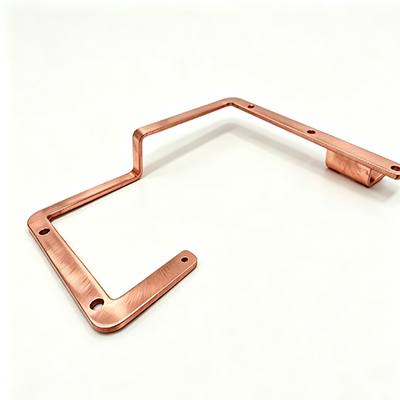
5. Copper Flexible Busbar Connection
A copper flexible busbar connection is used to connect busbar sections or link power components where movement or alignment variation exists. It is common in power distribution panels, switchboards, and heavy-duty electrical systems.
Typical Specifications of Copper Flexible Connection
The specifications of a copper flexible connection vary by design, application, and performance requirements. The table below shows common general specifications used in the industry.
Specification |
Typical Range / Description |
|---|
Material |
High-conductivity copper or tinned copper |
Conductor Type |
Braided, stranded, laminated, or woven copper |
Cross Section |
Customized according to current requirements |
Current Capacity |
Depends on size, length, and cooling conditions |
Length |
Customizable based on installation needs |
Terminal Ends |
Drilled lugs, welded ends, pressed ends, or bolted ends |
Surface Treatment |
Bare copper, tinned copper, or coated copper |
Temperature Resistance |
Suitable for many standard industrial operating environments |
Flexibility Level |
Low, medium, or high depending on construction |
Applications |
Power systems, grounding, batteries, machinery, transformers, switchgear |
Key Factors That Affect Copper Flexible Connection Performance
Several design and operating factors influence the performance of a copper flexible connection. Understanding these factors can help improve system reliability and extend product life.
Material Quality
High-purity copper offers better conductivity and reduced resistance. In some environments, tinned copper may be preferred because it can improve corrosion resistance and enhance durability.
Cross-Section Size
The cross-sectional area affects current capacity and heat generation. A larger copper flexible connection can carry more current, but it may also be less flexible than a smaller one.
Length of the Connection
Length influences both flexibility and electrical performance. Longer connections can absorb more movement, but they may also increase resistance if not properly designed.
Terminal Design
The quality of the terminal ends is important for safe and stable installation. Poorly made ends can create resistance points, overheating, or mechanical failure.
Environmental Conditions
Heat, humidity, dust, corrosion, vibration, and chemical exposure can all affect performance. A copper flexible connection used in harsh conditions may require protective coatings or surface treatment.
Installation Quality
Even the best copper flexible connection can fail if installed incorrectly. Proper torque, alignment, contact pressure, and inspection are essential to maintain conductivity and mechanical integrity.
Applications of Copper Flexible Connection
Copper flexible connections are used in many industries because they solve common electrical and mechanical challenges. Below are some of the most common application areas.
Industry / System |
Typical Use of Copper Flexible Connection |
|---|
Power Distribution |
Connecting busbars, switchgear components, and electrical panels |
Transformers |
Absorbing vibration and thermal movement between terminals |
Battery Systems |
Flexible interconnects between battery cells and modules |
Motors and Generators |
Handling vibration and maintaining current flow |
Grounding Systems |
Providing safe bonding and fault current paths |
Rail and Transport |
Supporting high vibration and movement conditions |
Industrial Machinery |
Reducing stress on electrical connections in moving equipment |
Renewable Energy |
Used in solar, wind, and energy storage systems |
Marine Systems |
Supporting electrical reliability in vibration-prone environments |
Control Panels |
Improving layout tolerance and electrical continuity |
Why Copper Flexible Connection Is Preferred in Industrial Systems
Industrial electrical systems often operate under difficult conditions. Equipment may vibrate, heat up, cool down, or shift slightly over time. A copper flexible connection is preferred because it provides electrical continuity without forcing rigid stress into the system.
In high-current systems, reliability is essential. Heat buildup, loose joints, and mechanical fatigue can lead to downtime or equipment damage. A flexible copper connector reduces these risks by combining conductivity with motion accommodation. This is especially valuable in applications where system failure could lead to production loss, safety concerns, or expensive repairs.
In addition, copper flexible connections help simplify design. Engineers can use them to bridge alignment gaps, connect moving assemblies, and reduce strain at terminal points. That makes them a practical solution for both new installations and retrofit projects.
Advantages of Tinned Copper Flexible Connection
A tinned copper flexible connection is a copper link coated with a thin layer of tin. This treatment provides several practical advantages in addition to the normal benefits of copper.
- Improved corrosion resistance: Tin helps protect the copper surface from oxidation.
- Better performance in humid environments: Useful in outdoor, marine, and damp conditions.
- Longer storage stability: Tinned surfaces can maintain usability over time.
- More stable surface contact: Helps support reliable electrical contact in many applications.
For environments where corrosion is a concern, tinned copper flexible connections are often preferred over bare copper versions.
How to Choose the Right Copper Flexible Connection
Selecting the right copper flexible connection requires balancing electrical performance, mechanical movement, and installation requirements. The following factors should be reviewed before specification.
Current Rating
The connector must handle the required current without overheating. Current capacity depends on copper size, length, airflow, and installation method.
Movement Requirement
Determine whether the connection needs to handle vibration, repeated flexing, thermal movement, or only minor alignment correction.
Space Constraints
In compact systems, the physical size of the connector matters. Flexible designs can save space, but the terminal layout must still allow proper connection.
Environmental Exposure
If the connection will be exposed to humidity, salt, dust, heat, or chemicals, surface protection and material selection become more important.
Terminal Compatibility
The ends of the copper flexible connection must match the equipment terminals, bolt sizes, and mounting style for secure installation.
Maintenance Expectations
Some applications require frequent inspection, while others are designed for long-term operation with minimal maintenance. The connector should match the maintenance strategy of the system.
Common Keywords Related to Copper Flexible Connection
For SEO and content planning, the following related keywords are often used around this topic:
- copper flexible connection
- flexible copper connector
- copper flexible link
- braided copper connection
- copper flexible busbar
- copper grounding connector
- tinned copper flexible connector
- high current flexible copper connector
- electrical flexible connection
- industrial copper connector
- vibration resistant copper connection
- thermal expansion copper link
Using these terms naturally throughout a page can help improve search visibility for industry-related queries.
FAQ About Copper Flexible Connection
What is the main purpose of a copper flexible connection?
The main purpose is to provide a reliable electrical connection that can flex, absorb vibration, and handle movement without losing conductivity.
Why is copper used for flexible connections?
Copper is used because it offers excellent electrical conductivity, durability, and suitability for high-current applications.
Is a copper flexible connection better than a rigid connector?
In systems with vibration, heat expansion, or movement, yes. A copper flexible connection is generally better because it reduces mechanical stress and improves reliability.
Where are copper flexible connections commonly used?
They are commonly used in switchgear, transformers, batteries, grounding systems, motors, generators, industrial machinery, and power distribution equipment.
What is the difference between bare copper and tinned copper flexible connection?
Bare copper offers strong conductivity, while tinned copper provides extra corrosion resistance and is better suited for humid or harsh environments.
Conclusion
A copper flexible connection is a highly practical solution for modern electrical and industrial systems. Its main benefits include excellent conductivity, vibration resistance, thermal expansion tolerance, easier installation, reduced mechanical stress, and long service life. These advantages make it a preferred choice in many high-performance and high-reliability applications.
Whether used as a braided copper flexible connection, a laminated busbar link, or a grounding connector, the core value remains the same: stable electrical performance with mechanical flexibility. For industries that demand dependable power flow and durable connectivity, copper flexible connection products remain one of the most effective and widely used solutions.


 +86 13169724781





 Phone
Phone
Comment
(0)