Copper Flexible Connection Manufacturer for Renewable Energy: Why Is Demand Rising?
The renewable energy sector is expanding at an unprecedented pace, and with that growth comes a rising need for
reliable, high-performance electrical components. Among the most important of these components are
copper flexible connections. A copper flexible connection manufacturer for renewable energy
plays a critical role in supplying conductive, vibration-resistant, and thermally stable solutions for solar, wind,
battery storage, and other clean energy systems. As energy infrastructure becomes more distributed, more dynamic,
and more demanding, the market for flexible copper connectors continues to rise.
This article provides a clear, SEO-friendly overview of copper flexible connections in renewable energy systems.
It covers definitions, applications, key benefits, common specifications, material options, industry trends, and
the reasons demand is increasing across the global clean energy supply chain. The content is designed for use in
blog posts, category pages, industry pages, and HTML content sections, with a structure that supports search engine
visibility and user readability.
What Is a Copper Flexible Connection?
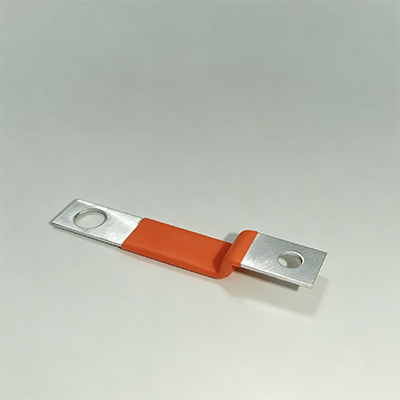
A copper flexible connection is an electrical conductor made from braided, laminated, or stranded
copper designed to carry current while allowing movement, vibration absorption, or thermal expansion. Unlike rigid
busbars or solid conductors, flexible copper connections can bend, twist, or absorb mechanical stress without
cracking or failing. This makes them ideal for equipment that experiences motion, heat cycling, or installation
constraints.
In renewable energy systems, copper flexible connections are used to connect batteries, inverters, transformers,
switchgear, solar combiner boxes, wind turbine assemblies, energy storage modules, and high-current distribution
points. They are valued for their conductivity, mechanical durability, corrosion resistance, and long service life.
Why Copper Is the Preferred Material in Renewable Energy
Copper remains one of the most widely used conductive materials in electrical engineering because it combines
excellent conductivity with dependable mechanical performance. For renewable energy systems, copper is especially
important because these systems often require high current transfer, stable electrical performance, and resistance
to environmental stress.
- High electrical conductivity: Copper efficiently transfers power with low resistance.
- Thermal stability: Copper performs well under temperature changes and heat load.
- Mechanical flexibility: Suitable for vibration-prone and moving equipment.
- Corrosion resistance: Supports long-term performance in outdoor or industrial environments.
- Durability: Maintains reliable conductivity across demanding operating cycles.
- Compatibility: Works with many renewable energy designs, terminations, and connector systems.
Because renewable energy systems must operate continuously and efficiently, component quality matters. Copper flexible
connections help reduce energy loss, improve system reliability, and support safer operation over time.
Why Is Demand Rising for Copper Flexible Connection Manufacturers?
The demand for a copper flexible connection manufacturer for renewable energy is increasing for
several clear reasons. Clean energy projects are growing in scale and complexity, and every project requires
dependable electrical interconnection solutions. From utility-scale solar farms to battery storage systems and wind
power installations, flexible copper connectors are becoming standard components in modern power architecture.
1. Rapid Growth of Solar Power Systems
Solar energy installations require stable electrical connections across modules, combiner boxes, inverters, and
distribution panels. As system voltage and capacity increase, the demand for flexible copper connectors rises. These
connectors help manage thermal expansion, reduce mechanical stress, and maintain conductivity in environments where
temperature changes are frequent.
2. Expansion of Battery Energy Storage Systems
Battery energy storage systems, or BESS, rely on large numbers of electrical connections between cells, racks,
modules, and control equipment. Flexible copper connections are essential because storage systems can vibrate, heat
up, and require compact routing. As energy storage deployment grows for grid balancing and backup power, demand for
copper flexible connection manufacturers continues to accelerate.
3. Wind Turbine Electrical Requirements
Wind turbines are exposed to constant movement, torque, vibration, and weather exposure. Flexible copper connections
are used in nacelles, control systems, switchgear, and power conversion assemblies. Their ability to absorb motion
while maintaining conductivity makes them highly suitable for wind energy applications.
4. Increased Focus on Grid Reliability
Renewable energy is not only about generation; it is also about stable transmission and distribution. Utilities and
industrial operators need reliable connection systems that minimize downtime and overheating. Copper flexible
connections are often selected to support stable power transfer in equipment where rigid conductors would be too
vulnerable to stress or failure.
5. Higher Power Density in Modern Equipment
Renewable systems are becoming smaller, denser, and more efficient. This creates a need for compact connections that
can fit within limited space without compromising performance. Flexible copper connectors offer design flexibility
while still supporting high current loads, making them a preferred solution in advanced energy equipment.
6. Stronger Demand for Long-Life Components
Investors and developers want renewable systems that offer long operating life and low maintenance. Flexible copper
connections reduce mechanical wear, improve connection stability, and help extend the service life of equipment.
This makes them a practical choice for projects focused on return on investment and lifecycle performance.
Common Applications in Renewable Energy
Copper flexible connections are used throughout the renewable energy supply chain. Their applications are diverse,
covering generation, storage, conversion, and distribution. Below is a clear overview of where they are most often
used.
Application Area |
Typical Use |
Main Benefit |
|---|
Solar photovoltaic systems |
Inverters, combiner boxes, panel connections |
Reliable current transfer and thermal movement absorption |
Battery energy storage systems |
Module interconnects, bus connections, rack wiring |
High-current flexibility and vibration resistance |
Wind energy systems |
Nacelles, switchgear, control units |
Durability under vibration and mechanical movement |
Power inverters |
Input/output connections and internal assemblies |
Stable conductivity with compact installation |
Transformers and switchgear |
High-current interconnections |
Reduced stress from heat and vibration |
Charging and distribution systems |
Electrical linkages in power cabinets |
Safer connection performance under load |
Microgrids and hybrid systems |
Interconnection between multiple power sources |
Flexible integration and long-term reliability |
Types of Copper Flexible Connections
Different renewable energy applications require different connector designs. A copper flexible connection manufacturer
for renewable energy may produce several common types based on the mechanical and electrical requirements of the
system.
Braided Copper Flexible Connectors
Braided connectors are made from multiple copper strands woven together. They are highly flexible and excellent for
absorbing vibration and movement. They are widely used in high-current renewable energy systems where flexibility is
essential.
Laminated Copper Flexible Connectors
Laminated connectors consist of stacked copper foil layers that provide strong current-carrying capacity and
controlled flexibility. These are often used in compact equipment where space is limited and current flow must remain
stable.
Stranded Copper Flexible Leads
Stranded leads are built from many smaller copper wires twisted together. They provide a balance of flexibility,
conductivity, and cost efficiency, making them suitable for a wide range of renewable energy systems.
Custom Shaped Flexible Busbars
Some projects require custom bending, punching, plating, or insulation. Flexible busbars can be tailored to fit
complex layouts in battery packs, power converters, and electrical cabinets.
Key Advantages of Copper Flexible Connections
The benefits of copper flexible connections go beyond simple conductivity. They support performance, reliability,
safety, and maintainability in renewable energy environments.
Advantage |
Description |
Why It Matters in Renewable Energy |
|---|
High conductivity |
Copper carries current efficiently with minimal resistance |
Reduces power loss and improves system efficiency |
Flexibility |
Connector can bend or absorb movement |
Prevents failure from vibration and thermal expansion |
Thermal endurance |
Performs under changing temperature conditions |
Supports stable operation in solar, wind, and storage systems |
Long service life |
Maintains performance over time |
Reduces maintenance and replacement frequency |
Mechanical stress relief |
Absorbs strain caused by equipment movement |
Protects terminals and surrounding components |
Installation flexibility |
Easy to fit into narrow or complex layouts |
Improves assembly efficiency and design options |
Corrosion resistance |
Can be treated for better environmental durability |
Useful in outdoor and industrial renewable facilities |
How Flexible Copper Connections Improve Renewable Energy Performance
Renewable energy systems often operate in environments that create electrical and mechanical stress. Temperature
fluctuation, humidity, vibration, wind loading, and continuous high current can all impact connection quality.
Flexible copper connections help solve these issues by maintaining secure conductivity while allowing the system to
move naturally.
One of the most important performance benefits is the reduction of hot spots. Poor or rigid connections can create
localized resistance, leading to heat buildup and efficiency loss. Flexible copper connections help distribute
current more evenly, reducing stress on terminals and lowering the risk of overheating.
They also support easier assembly in systems with limited space. In modern renewable installations, engineers often
work within compact cabinets and modular assemblies. Flexible copper connectors make routing easier and help reduce
installation time without sacrificing electrical performance.
Typical Material and Design Specifications
While exact product requirements vary by project, many copper flexible connection products are built according to
common electrical and mechanical specifications. These specifications help buyers and engineers compare options and
choose suitable products for renewable energy applications.
Specification Category |
Common Range or Option |
Purpose |
|---|
Conductor material |
High-purity copper |
Ensures strong conductivity |
Connector style |
Braided, laminated, stranded |
Matches flexibility and load requirements |
Cross-sectional area |
Customizable by current rating |
Supports proper ampacity |
Plating options |
Tin-plated, silver-plated, bare copper |
Improves corrosion resistance and contact performance |
Insulation |
PVC, silicone, heat-shrink, or uninsulated |
Enhances safety and environmental protection |
Temperature range |
Depends on insulation and design |
Supports renewable energy operating conditions |
Mounting ends |
Crimped lugs, drilled terminals, custom ends |
Allows integration with existing systems |
Length |
Custom length |
Fits specific equipment layouts |
Technical Factors That Influence Product Selection
Choosing the right copper flexible connection requires more than selecting a conductive material. Engineers and
system designers typically evaluate several technical factors before specifying a connector for renewable energy
use.
Current Rating
The connector must support the required current without overheating or excessive voltage drop. Higher current loads
generally require larger conductor dimensions or more advanced laminated designs.
Voltage Level
High-voltage renewable systems need connectors that maintain insulation integrity and stable separation between
conductive points. Voltage rating should always match the system architecture.
Operating Temperature
Renewable systems can experience wide temperature swings, especially in outdoor installations. Connector materials
and insulation must be selected accordingly.
Mechanical Movement
If the installation involves vibration, repeated motion, or thermal expansion, a highly flexible design is usually
preferred.
Environmental Exposure
Exposure to moisture, dust, salt, UV radiation, or chemicals may require plating, insulation, or protective covering.
Space Constraints
Compact cabinets, battery packs, and inverter housings often demand carefully engineered flexible connections that
fit tight installation spaces.
Industry Trends Supporting Growth
Several major industry trends are helping fuel the demand for copper flexible connection manufacturers in renewable
energy markets.
- Electrification of infrastructure: More power systems are becoming electric, distributed, and modular.
- Grid modernization: Utilities are upgrading networks to handle renewable power more efficiently.
- Energy storage deployment: Storage is becoming essential for balancing intermittent generation.
- Higher system voltages: Modern systems require stronger interconnect solutions for safe operation.
- Rising reliability standards: Long-life, low-maintenance components are increasingly preferred.
- Global clean energy investment: More projects mean more demand for high-quality electrical connectors.
These trends are creating steady opportunities for manufacturers that specialize in flexible copper connectivity for
renewable energy equipment. The market is not limited to one technology; rather, it spans solar, wind, storage,
microgrids, EV infrastructure, and industrial power systems.
Quality Considerations for Buyers and Engineers
When sourcing copper flexible connections, buyers usually focus on performance consistency, product customization,
and manufacturing quality. Although specific supplier recommendations are outside the scope of this article, it is
helpful to understand the characteristics that define a reliable product.
Quality Factor |
What to Look For |
Why It Matters |
|---|
Material purity |
High-quality copper with stable conductivity |
Improves electrical performance |
Consistent dimensions |
Accurate width, thickness, and length |
Ensures fit and predictable current handling |
Reliable plating |
Uniform surface treatment |
Helps resist corrosion and improve contact |
Strong terminations |
Secure end fittings or lugs |
Reduces connection failure risk |
Thermal performance |
Validated temperature endurance |
Supports stable operation in power systems |
Mechanical flexibility |
Designed to bend without damage |
Useful in vibration-prone environments |
Testing and inspection |
Electrical and mechanical quality checks |
Improves consistency and reliability |
Why Flexible Connections Are Better Than Rigid Alternatives in Many Cases
Rigid conductors can work well in fixed installations, but they are often less suitable for renewable energy systems
where motion, thermal cycling, or space limitations are present. Flexible copper connections reduce the risk of
fatigue damage caused by repeated expansion and contraction. They also help maintain stable contact pressure and
lower the chance of loosening over time.
In battery systems, for example, small movements and heat changes can stress rigid connectors. In wind power,
vibration is a constant factor. In solar installations, outdoor temperature changes can affect conductor alignment.
Flexible copper connectors are designed to handle these conditions more effectively than many rigid alternatives.
Benefits for System Integrators and OEMs
Original equipment manufacturers and system integrators benefit from flexible copper connections in several ways.
These products support design standardization, simplify assembly, and improve system durability. They also help
reduce troubleshooting related to connection failure, overheating, or mechanical wear.
- Improved assembly efficiency
- Better routing in compact enclosures
- Reduced mechanical strain on terminals
- Lower risk of thermal connection issues
- Enhanced long-term reliability
- More design freedom for engineers
Frequently Used Terms in the Industry
For SEO and industry understanding, it is helpful to know the common terms associated with copper flexible
connections in renewable energy.
Term |
Meaning |
|---|
Flexible copper connector |
A conductive copper component that bends or absorbs movement |
Braided connector |
A connector made from woven copper strands |
Flexible busbar |
A current-carrying copper link designed for compact systems |
High-current interconnect |
A connector intended to carry significant electrical load |
Renewable energy connector |
A connection component used in solar, wind, or storage systems |
Thermal expansion relief |
The ability to absorb movement caused by temperature change |
Market Outlook for Copper Flexible Connection Manufacturers
The market outlook remains positive. As renewable energy projects continue to scale up, the need for dependable
conductive components will remain strong. Copper flexible connection manufacturers are positioned to benefit from
demand in both new installations and equipment upgrades. This includes utility-scale infrastructure, commercial
energy systems, industrial power equipment, and distributed generation.
Future growth will likely be supported by more advanced storage systems, higher-efficiency inverters, and greater
use of modular energy architecture. These trends all point toward increased usage of high-quality flexible copper
connections across the clean energy landscape.
Conclusion
A copper flexible connection manufacturer for renewable energy is becoming more important as the
clean energy sector expands. The rising demand is driven by solar growth, battery storage expansion, wind power
requirements, grid modernization, and the need for durable, high-efficiency electrical interconnections. Copper
flexible connections offer excellent conductivity, vibration resistance, thermal stability, and installation
flexibility, making them essential in modern renewable energy systems.
For engineers, integrators, and procurement teams, understanding the benefits and specifications of copper flexible
connections is essential for selecting the right product type. Whether used in solar inverters, battery modules,
wind systems, or switchgear, these components help improve safety, reliability, and long-term performance. As the
renewable energy industry continues to grow, the role of flexible copper connectivity will only become more
significant.
```
If you want, I can also provide:
1. a meta title + meta description,
2. an H1/H2 optimized SEO version,
3. or a more commercial “category page” version with stronger keyword density.


 +86 13169724781





 Phone
Phone
Comment
(0)