Copper Flexible Connection: How to Ensure Secure Fastening
A copper flexible connection is a critical component in modern electrical systems, power distribution networks, grounding assemblies, switchgear, transformers, battery systems, control cabinets, and equipment that must handle vibration, movement, thermal expansion, or repeated mechanical stress. In many industrial and commercial applications, the performance of the entire system depends on one simple factor: secure fastening. If a copper flexible connection is not fastened correctly, the result can be heat buildup, loose contact, voltage drop, arcing, accelerated oxidation, and even equipment failure.
This page provides a comprehensive, SEO-friendly overview of copper flexible connection fastening, including definitions, advantages, fastening methods, inspection points, specification tables, and practical guidelines. It is written for use in blog articles, product category pages, industry pages, and technical content hubs. The focus is on industry-general information only, with no specific company recommendations.
What Is a Copper Flexible Connection?
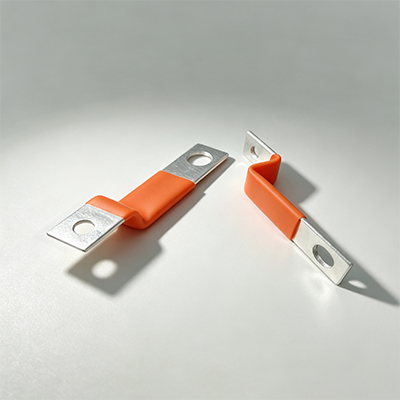
A copper flexible connection is an electrical or mechanical connector made primarily from copper that is designed to allow movement, flexing, vibration absorption, or thermal expansion while maintaining reliable conductivity. It is commonly used where a rigid conductor would be too fragile or too restrictive. Copper flexible connections may appear as braided copper straps, laminated copper shunts, tinned Copper braid, woven copper connectors, or formed flexible busbars.
In electrical systems, copper flexible connections are valued because copper offers excellent conductivity, strong current-carrying capability, good thermal performance, and resistance to corrosion when properly treated. Flexibility allows the connector to absorb mechanical movement without transferring stress to terminals, lugs, or equipment housings.
Why Secure Fastening Matters
Secure fastening is one of the most important factors in the performance of any copper flexible connection. Even the highest-quality copper connector can fail if the fastening method is poor, the torque is incorrect, the surface is contaminated, or the fastening hardware is not compatible with the application.
A secure fastening ensures:
- Stable electrical contact resistance
- Reduced heat generation at the joint
- Reliable current transfer under load
- Resistance to vibration and shock
- Protection against loosening over time
- Longer service life of the connector and terminal system
- Lower maintenance frequency and lower downtime risk
In contrast, a loose or poorly installed copper flexible connection may cause micro-movement at the contact point. Over time, that movement can increase resistance, create hot spots, and weaken the entire assembly.
Main Advantages of Copper Flexible Connections
Advantage |
Description |
Application Benefit |
|---|
High conductivity |
Copper provides low electrical resistance and efficient current transfer. |
Supports stable power transmission and reduced energy loss. |
Flexibility |
Designed to accommodate movement, vibration, and thermal expansion. |
Reduces mechanical stress on terminals and connected equipment. |
Durability |
Copper flexible connectors can withstand repeated motion and environmental stress. |
Improves system reliability and service life. |
Low resistance joints |
Properly fastened copper connections maintain excellent contact performance. |
Helps prevent overheating and energy loss. |
Adaptability |
Available in multiple forms, sizes, and finishing options. |
Can be used across many electrical and industrial systems. |
Thermal stability |
Copper handles elevated temperatures better than many alternative conductors. |
Supports demanding environments and high-load operations. |
Common Types of Copper Flexible Connections
Copper flexible connections are available in several common forms. The right choice depends on current load, movement requirements, installation space, and environmental exposure.
Type |
Structure |
Typical Use |
|---|
Copper braid |
Interwoven copper strands forming a flat or round flexible strap. |
Grounding, bonding, switchgear, and vibration control. |
Laminated flexible connector |
Multiple thin copper layers stacked and joined together. |
High-current bus connections and heavy-duty equipment. |
Copper shunt |
Flexible copper strip or braid used to carry current across moving points. |
Battery systems, motor assemblies, and disconnect systems. |
Flexible busbar |
Structured copper conductor with controlled flexibility. |
Power distribution, transformers, and switchgear. |
Tinned copper braid |
Copper braid with a tin coating for improved surface protection. |
Corrosive or humid environments. |
Key Factors That Affect Secure Fastening
Secure fastening depends on more than tightening a bolt. Several technical and practical factors determine whether a copper flexible connection will remain safe and stable over time.
1. Contact Surface Quality
The contact surfaces must be clean, flat, and free from oil, dirt, oxidation, or burrs. Even a small amount of contamination can increase resistance and reduce the quality of the joint. In high-current applications, surface condition is extremely important.
2. Correct Hardware Selection
The fastening hardware must be suitable for the connector thickness, conductor size, terminal type, and environmental conditions. Using mismatched washers, undersized bolts, or weak fastening components can reduce clamping force and increase the risk of loosening.
3. Proper Torque
Too little torque can result in a loose joint, while too much torque can damage the connector, deform the copper, or strip threads. Torque should be applied according to the assembly specification for the system. Proper torque is one of the most important elements of secure fastening.
4. Anti-Loosening Design
In vibrating environments, secure fastening often requires lock washers, spring washers, locking nuts, thread-locking methods, or other anti-loosening features. These help maintain clamp load over time.
5. Thermal Expansion Management
Copper flexible connections are often used because rigid conductors cannot accommodate thermal movement. Fastening systems should allow for expansion and contraction without over-stressing the joint.
6. Environmental Protection
Moisture, salt, dust, chemicals, and temperature cycling can all affect fastening stability. In harsh environments, tin plating, protective coatings, and sealed enclosures may improve long-term reliability.
How to Ensure Secure Fastening: Best Practices
To ensure a copper flexible connection is securely fastened, the installation process must be precise and consistent. The following best practices are widely used across electrical and industrial systems.
1. Inspect the Connection Before Installation
Check the connector for visible damage, bent strands, oxidation, contamination, and deformation. Verify that the lug holes, braid termination, or busbar interface are intact and suitable for installation.
2. Prepare the Contact Area
Clean the terminal and connector contact surfaces before fastening. Remove dust, grease, oxidation, and surface debris. A properly prepared surface improves conductivity and mechanical stability.
3. Match the Connector to the Application
Select a copper flexible connection with the correct width, thickness, strand count, current rating, and flexibility level. Overloaded or undersized connectors may fail prematurely even if fastened correctly.
4. Use Compatible Fasteners
Bolts, nuts, washers, and terminal hardware should match the connector design and system requirements. Use materials and finishes that support corrosion resistance and stable clamping force.
5. Tighten to the Specified Torque
Secure fastening depends heavily on proper torque control. Use a calibrated torque tool when possible. Avoid guesswork, over-tightening, and inconsistent hand tightening.
6. Apply Pressure Evenly
Ensure the connector sits flat against the terminal or busbar. Uneven pressure can concentrate stress in one area and create resistance points. Flat alignment supports better conductivity and longer service life.
7. Use Locking Features Where Necessary
Lock washers, prevailing torque nuts, thread-locking compounds, or mechanical locking systems may be appropriate in vibration-prone environments. These measures help preserve fastening integrity.
8. Recheck After Initial Operation
Some installations require re-torque checks after thermal cycling or initial run-in. This is especially relevant in applications that experience temperature changes, vibration, or repeated load variation.
Recommended Fastening Methods for Copper Flexible Connections
Fastening Method |
Advantages |
Best For |
|---|
Bolt and nut assembly |
Simple, strong, widely used, and easy to inspect. |
General electrical and industrial connections. |
Compression lug fastening |
Provides a tight mechanical and electrical interface. |
Power distribution and cable termination points. |
Riveted connection |
Permanent fastening with good mechanical stability. |
Selected factory assemblies and controlled installations. |
Brazed or welded termination |
Very strong and durable when properly executed. |
Specialized high-reliability designs. |
Clamp-based fastening |
Fast installation and easy service access. |
Grounding, bonding, and temporary or serviceable setups. |
Specification Table: Typical Copper Flexible Connection Parameters
The following table provides general specification guidance for copper flexible connections. Actual requirements vary depending on the application, electrical load, and installation environment.
Parameter |
Typical Range |
Notes |
|---|
Material |
Pure copper or tinned copper |
Tinning can improve corrosion resistance. |
Form |
Braid, strip, laminated shunt, busbar |
Chosen based on flexibility and current needs. |
Width |
Varies by design |
Wider parts generally carry higher current. |
Thickness |
Varies by design |
Influences strength, resistance, and flexibility. |
Operating temperature |
Application dependent |
Must match system thermal conditions. |
Current capacity |
Application dependent |
Should be based on system load and safety margin. |
Termination type |
Ring terminal, flat end, hole-mounted, clamp-mounted |
Must match the mating hardware. |
Surface treatment |
Natural copper, tin-plated, or coated |
Surface protection affects corrosion resistance. |
Installation Checklist for Secure Fastening
Use the following checklist to improve installation consistency and reduce the risk of connection failure.
Checklist Item |
Pass/Fail Question |
|---|
Surface cleanliness |
Are all contact surfaces clean and free from oxidation or contaminants? |
Hardware compatibility |
Are the bolts, nuts, washers, and terminals compatible with the connector? |
Alignment |
Does the connector sit flat and straight on the contact surface? |
Torque accuracy |
Was the fastening torque applied according to specification? |
Locking method |
Is a suitable anti-loosening measure in place if needed? |
Clearance |
Is there enough space to prevent rubbing, bending stress, or interference? |
Thermal allowance |
Can the connection move slightly to absorb expansion and vibration? |
Post-installation check |
Was the joint inspected after tightening and before operation? |
Common Fastening Mistakes to Avoid
Many copper flexible connection problems can be traced back to installation errors. Avoiding these mistakes can significantly improve system reliability.
- Using incorrect torque values
- Skipping surface cleaning before assembly
- Mixing incompatible metals without considering corrosion risk
- Over-tightening and deforming the connector
- Under-tightening and leaving a loose interface
- Ignoring vibration control in moving equipment
- Using damaged washers, bolts, or nuts
- Failing to inspect after thermal cycling or startup
- Selecting a connector that is too small for the current load
- Allowing mechanical strain to act directly on the termination point
Environmental Conditions That Influence Fastening Security
Environment |
Potential Risk |
Suggested Consideration |
|---|
High vibration |
Fasteners may loosen over time. |
Use locking hardware and periodic inspection. |
High temperature |
Thermal expansion can reduce clamp stability. |
Allow for expansion and verify torque retention. |
Humidity |
Moisture can accelerate oxidation and corrosion. |
Use tin-plated parts or protective coatings. |
Outdoor exposure |
UV, rain, salt, and debris can affect performance. |
Choose weather-resistant materials and enclosures. |
Industrial contamination |
Oil, dust, and chemicals may reduce contact quality. |
Inspect and clean routinely. |
Frequent thermal cycling |
Repeated expansion and contraction may loosen joints. |
Use stable fasteners and recheck after operation. |
Inspection and Maintenance Tips
Even when copper flexible connections are installed correctly, ongoing inspection is essential in critical systems. Maintenance programs help identify loosening, overheating, corrosion, and mechanical wear before failure occurs.
Visual Inspection
Check for discoloration, dark spots, oxidation, cracked insulation, frayed braid strands, loose hardware, and physical deformation. Any sign of overheating should be investigated immediately.
Thermal Inspection
In high-load systems, temperature monitoring can help identify resistance problems. A hot joint often indicates insufficient fastening force, contamination, or poor electrical contact.
Mechanical Inspection
Confirm that fastening hardware remains tight and that the flexible connection still has adequate movement without strain. Look for evidence of rubbing, twisting, or repeated stress at the termination point.
Periodic Retightening
Some installations require scheduled torque verification. However, retightening should be performed carefully and only when appropriate for the joint design and operating conditions.
How Secure Fastening Improves Electrical Performance
Secure fastening is not just a mechanical issue; it directly influences electrical performance. A stable, well-fastened copper flexible connection improves conductivity, reduces voltage drop, and supports efficient current transfer. It also minimizes localized heating, which can affect nearby components and shorten the life of insulation, terminals, and protective housings.
In systems carrying high currents, even small resistance changes can produce significant heat. This is why secure fastening is considered a core reliability factor in power systems, battery connections, grounding straps, and industrial assemblies.
Industries That Commonly Use Copper Flexible Connections
- Power distribution and electrical switchgear
- Transformers and substations
- Battery storage and energy systems
- Industrial automation and control cabinets
- Motors and generators
- Rail and transportation electrical systems
- Renewable energy installations
- Grounding and bonding systems
- Heavy machinery and equipment assemblies
- Telecommunications and backup power systems
Frequently Used Terms Related to Copper Flexible Connection Fastening
Term |
Meaning |
|---|
Clamp load |
The compressive force created by tightened fasteners holding the joint together. |
Contact resistance |
The resistance at the interface between the connector and the mating surface. |
Torque |
The rotational force applied to a fastener during tightening. |
Vibration resistance |
The ability of the joint to stay secure under motion or oscillation. |
Oxidation |
A surface reaction that can reduce electrical performance if uncontrolled. |
Thermal cycling |
Repeated heating and cooling that can affect joint stability over time. |
SEO-Focused Summary
Copper flexible connection systems are essential for reliable electrical performance in environments where movement, vibration, and thermal expansion are present. To ensure secure fastening, installers must focus on surface preparation, correct hardware selection, precise torque control, anti-loosening measures, and regular inspection. A well-fastened copper flexible connection supports low resistance, better heat control, improved durability, and long-term operational stability.
For businesses, engineers, contractors, and technical readers searching for information on copper flexible connection secure fastening, the key takeaway is simple: the best connector design still depends on correct installation. By combining proper materials, suitable fastening methods, and disciplined maintenance, it is possible to achieve a dependable, high-performance connection that stands up to demanding service conditions.
```


 +86 13169724781





 Phone
Phone
Comment
(0)